AI may enter one of Asia's highest-pressure exam systems.
South Korea is exploring artificial intelligence for evaluating college entrance exam essays, a reform signal that could reshape trust, fairness and scale in national assessment.
South Korea tests AI essay assessment. Canada tightens international student rules. Europe debates childhood screen safety. The Gulf expands vocational capacity. Families now compare schools, certificates and countries through outcomes.

Micro-credentials are becoming the quiet infrastructure behind elite lifelong learning.

Factories, colleges and families are learning why status matters as much as equipment.
Where wealthy families and ambitious professionals are placing their next education bet.
South Korea, Canada, Sweden, France and Turkey are moving education policy in sharply different directions.

South Korea is exploring artificial intelligence for evaluating college entrance exam essays, a reform signal that could reshape trust, fairness and scale in national assessment.

Updated study permit and post-graduation work permit rules are tightening oversight, pushing students and families to judge programs by compliance, job relevance and migration durability.

Sweden is bringing printed books and handwriting back into classrooms, while France is advancing a bill to ban social media for children under 15 from September 2026.

Turkey's Council of Higher Education says 16 new higher education programs will enroll students in the 2026-2027 academic year, adding fresh capacity to a fast-moving regional market.
AI marking, apprenticeship exports, skills visas, safer childhood policy, employer academies and outcome-based certificates are moving at once.

Parents compare school networks, STEM pathways, language strength, career placement, visa rules and certificate recognition before choosing a country or program.
Short courses only matter when employers believe the standard.

Talent localization is becoming faster than degree reform.

Visa rules, internships and wage data now shape family decisions.
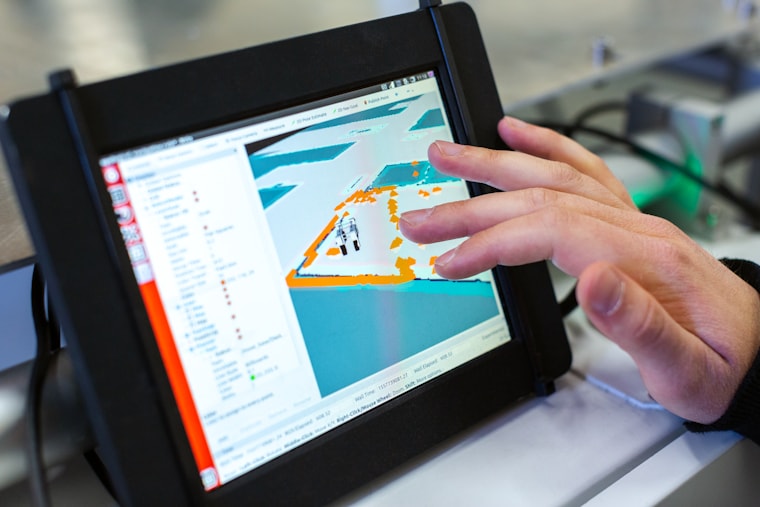
Automation, energy and logistics are changing the status equation.
Assessment, curriculum, licensing, apprenticeships and student mobility are becoming central education reforms across regions.

Brussels is standardizing short credentials. Riyadh is expanding technical training. Ottawa is connecting newcomers to shortage jobs. Jakarta and Hanoi are scaling programs for manufacturing and digital services.

Boarding school networks, international curricula, AI tutoring, counseling and career-linked credentials are becoming part of one education plan.

Students now compare work rights, internship density, employer networks, wage signals and the global reputation of applied programs.
The strongest education markets are being pulled by visas, wages, employer shortages and national competitiveness plans.

The EU micro-credential push could turn compact courses into recognized signals for executives, career switchers and cross-border professionals.
The prize is not another badge. It is a shared language for workload, outcomes, quality assurance and employer recognition. If trust holds, premium learners can reskill quickly without sacrificing status.
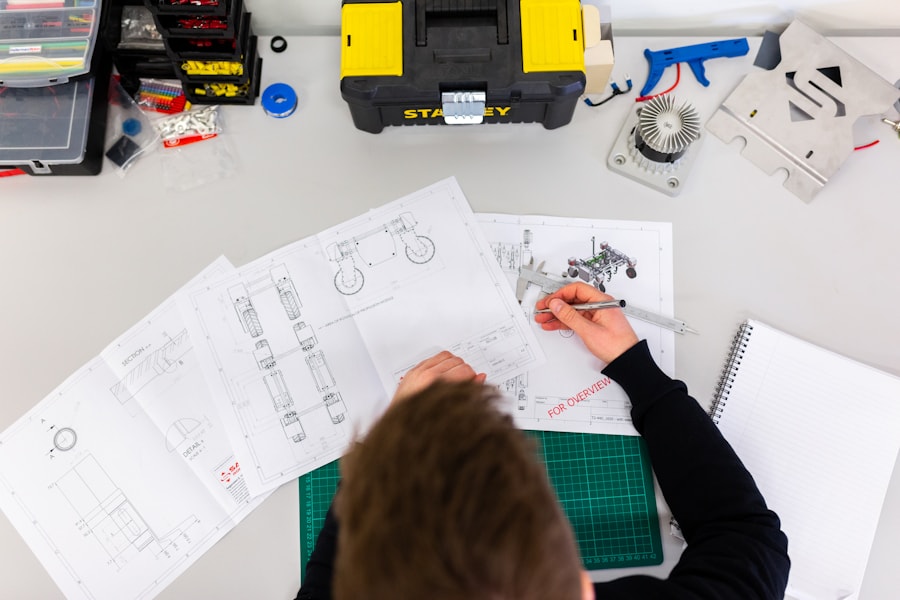
Countries want the apprenticeship prestige, but the real export is coordination between companies, chambers, schools and families.
The difficult part is cultural: technical careers must look respected, paid and upwardly mobile. Equipment can be bought; employer trust and family confidence have to be built.

Shorter pathways, clearer transfer routes and employer-built credentials are turning two-year colleges into a serious mobility bet.
The model is watched globally because it shows how broad access can still point toward high-demand work: healthcare, advanced manufacturing, cybersecurity, logistics and AI-enabled operations.
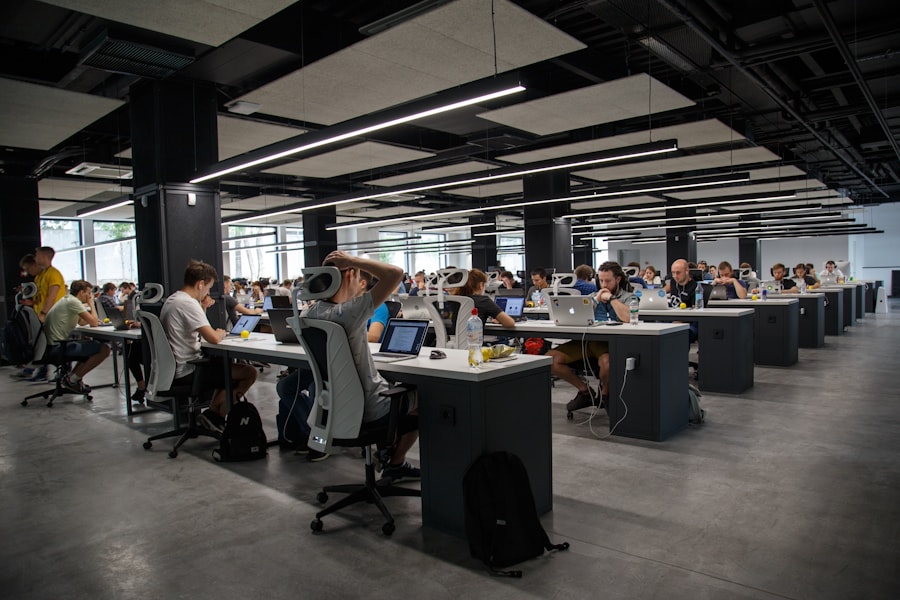
Healthcare, construction, clean technology and digital operations are pulling newcomer education closer to licensing and paid placement.
The strongest pathway combines language, exam preparation, workplace culture, local references and employer access. Done well, migration becomes faster productivity instead of delayed potential.

Manufacturing shifts, digital services, tourism recovery and young populations are creating intense demand for English, coding, logistics and industrial training.
The opportunity extends beyond consumer edtech. Employer academies, certification centers, language-plus-career programs and premium pathways into global companies may define the next wave.

Tourism, logistics, construction, entertainment, energy transition and premium services all require a local workforce that can scale fast.
Investors are watching because talent localization now affects project delivery, public-private partnerships and the next generation of high-end training providers in the Gulf.

Training centers, teacher development, joint curricula and industrial parks are becoming the practical backbone of cross-border skills programs.
The best projects are specific: language, equipment standards, safety culture, maintenance capability and employer demand in a real industrial corridor.

Corporate academies, bootcamps and vendor certificates are filling gaps in cloud, cybersecurity, retail, manufacturing and service leadership.
A new credential hierarchy is forming. In fast-changing sectors, employer validation can sometimes travel faster than academic reputation.
The United Kingdom, Japan, Europe, the Gulf, ASEAN and North America are reshaping schools, skills programs and university pathways.

Families still value heritage brands, yet the final comparison increasingly includes internships, graduate work routes, finance, AI, medicine and global alumni density.
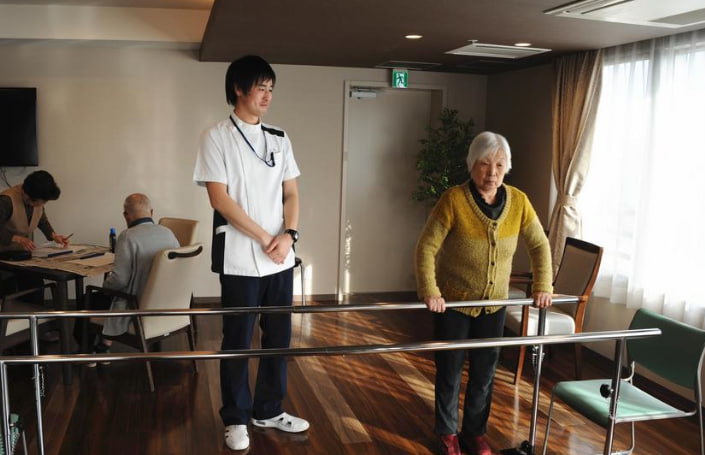
Japan's talent needs sharpen the value of elder care, automation, language bridges and technical programs that connect Asian learners to premium employers.
The most attractive European offers combine credible public systems, international English programs, career modules and cross-border recognition.
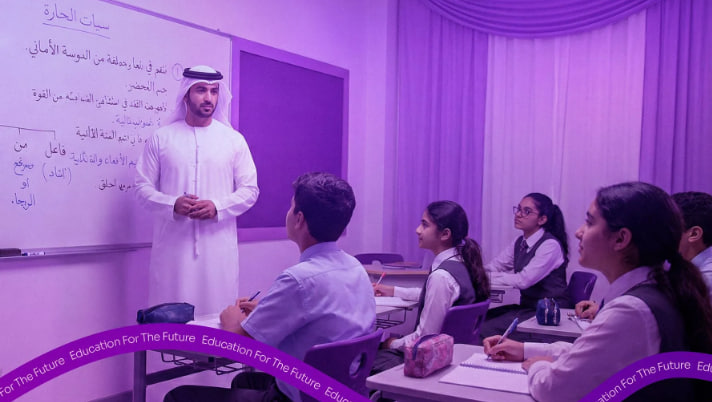
Mega-projects need managers, technicians, hospitality leaders, engineers and service talent faster than traditional pipelines can supply.

Parents and professionals are chasing English, coding, logistics, hospitality, sales operations and internationally readable certificates.

Programs that connect internships, licensing, employer projects and post-study work are becoming attractive even for affluent students.
Countries are no longer competing only for students. They are competing for trainable people, portable credentials and employer trust.
The most persuasive programs connect a skill to a wage premium, a visa pathway, a company brand or a globally trusted certificate.
Global salary signals are shifting away from vague digital literacy toward job-tied competence: AI workflow design, data operations, cybersecurity, nursing, elder care, advanced manufacturing, logistics and renewable energy maintenance.
Long-form education coverage on online platforms, international students, workforce training and practical credentials.

AI tutors, verified projects, employer assessments and subscription degrees are changing how learners prove value. The winners will reduce friction between curiosity, practice, credential and job mobility.

Rankings still matter, but internships, post-study work, safety, school networks and local hiring demand now carry more weight.

Companies entering new countries need cultural fluency, technical capacity and leadership pipelines before expansion becomes durable.

Training works best when learners can see the next credential, the next employer and the next income band.

Curricula, equipment, mentors, assessments and placements are becoming one integrated system.
A modern education system must teach, assess and certify skills that can be trusted across borders.
Canada licensing support, US community colleges, ASEAN skills demand, German apprenticeships, AI assessment and study-abroad mobility.
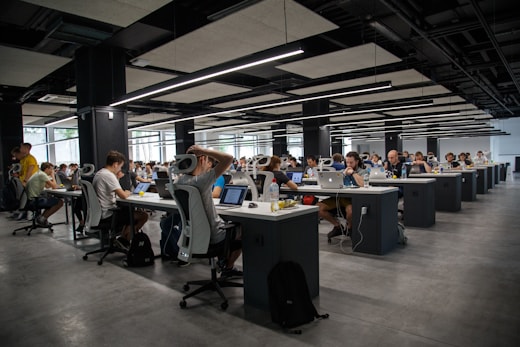
Healthcare, engineering and trades programs increasingly package language, exam prep and workplace placement.

Regional labor-market boards are becoming as important as course catalogs.

Parents and professionals are buying clearer pathways into global services work.
Equipment is easier to copy than employer trust, family confidence and wage progression.

Verified projects and proctored skill checks are becoming the trust layer of online learning.

Families compare education quality, safety, work rights, industry density and residency options.